Landlordbuyer vs Letproperty for Without Disrupting The Tenancy
You're selling a tenanted investment property and want the buyer to take over without evicting your sitting tenant. Both Landlordbuyer and Letproperty offer that route, but they work in fundamentally different ways. This decision affects your monthly cashflow, your timeline, and how much you pay in fees.
By the end of this article, you'll know exactly which platform matches your situation. We compare their pre-checked listings, buying processes, service ratings, and pricing structures, then give a straight verdict on who should choose which option. You'll also see how Letproperty's approach to tenanted sales compares head-to-head with Landlordbuyer's model.
Quick Verdict: Keeping Tenants in Place When Selling
If you're an investor landlord weighing the options between selling with a sitting tenant versus vacant possession, here's the bottom line: selling with a tenant in place can preserve your rental income and appeal to buyers seeking immediate cashflow, but it requires careful handling of tenant rights and communication.
Selling with a tenancy in place keeps your rent roll intact until completion. That means no void periods, no lost income, and no rush to evict a good tenant. For many investor landlords, that steady cashflow is worth more than the premium some buyers pay for vacant possession.
The main challenges are practical. You need tenant cooperation for viewings, clear lease terms that survive the sale, and a buyer who understands landlord obligations. Tenant relocation or a tenant buyout can get expensive, and forcing an eviction process simply to sell rarely makes financial sense.
Here is the short version:
- Continuous rental income is the biggest win. You keep collecting rent while the sale progresses, and buyers see an immediate yield.
- Buyers who want a buy-to-let property often prefer a sitting tenant. They skip the void period and inherit a proven rent roll.
- Tenant cooperation is essential. Property viewing with tenant schedules, notice periods, and tenant communication all need to be handled respectfully.
- Check your tenancy agreement first. A fixed term versus periodic tenancy changes what notice you can give, and tenant consent may be required.
For most investor landlords, selling with a tenant is viable when the tenant is cooperative and the lease terms are clear. Platforms like Let Property specialise in this exact scenario. Every property is pre-checked and verified with essential reports provided upfront, and properties are offered with tenants already in place for immediate income.
Landlordbuyer may offer alternatives, such as purchasing properties with vacant possession in mind, but that route often means waiting for a lease expiry or negotiating a tenant buyout. If the goal is minimal tenancy disruption, Let Property's model is the stronger fit.
At a glance: how Let Property compares to Landlordbuyer, Letproperty for Without Disrupting The Tenancy on the features that matter most.
| Feature | Let Property | Landlordbuyer | Letproperty for Without Disrupting The Tenancy |
|---|---|---|---|
| Without Disrupting The Tenancy | ✓ | ✓ | ✓ |
What Is Let Property?
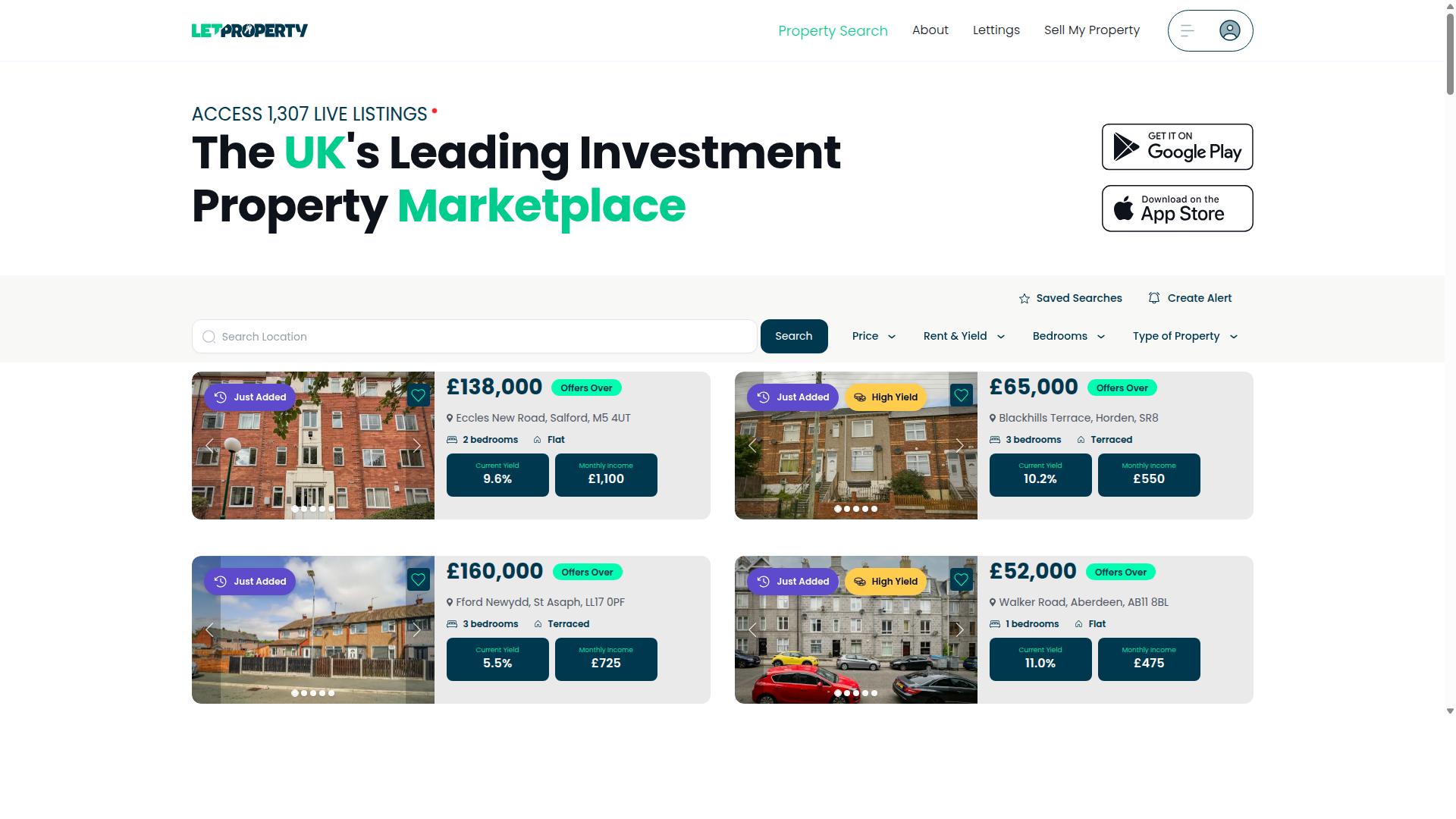
Let Property is the UK's leading investment property marketplace, specializing in the sale of tenanted properties to investors seeking monthly cashflow. The platform is built around a clear mission: to transform a stagnant industry by helping retiring investors generate monthly cashflow through tenanted property investments.
For landlords looking to exit without disrupting a tenancy, this model is particularly relevant. Instead of waiting for a lease to expire or asking a sitting tenant to leave, sellers can pass the property, the tenancy agreement, and the rental income to a new investor landlord in one transaction.
The marketplace makes this process as easy as trading stocks. Every property listed undergoes industry-leading Pre-Checks, giving all buyers the same essential reports and information upfront. This means tenant rights, lease terms, and landlord obligations are already documented before a sale moves forward.
Properties are offered on a fair first-come, first-served basis. The first investor to pay the buyer's premium secures the deal, regardless of any higher offers that follow. This approach keeps the process transparent and fast, which matters when you want to sell with a tenant in place without unnecessary delays.
The platform lists a variety of property types, including detached, semi-detached, terraced, flats, bungalows, land, and commercial units. Whether you own a single buy-to-let flat or a larger rent roll, the marketplace is designed to match your property with an investor landlord who values the existing rental income.
What Is Landlordbuyer?

Landlordbuyer is a property buying service that purchases tenanted properties directly from landlords, often providing a quick sale option. The company specialises in buying homes with a sitting tenant already in place, which means you may not need to wait for a lease to expire before completing the transaction.
This type of service is designed for investor landlords who want to exit the market without the hassle of listing on the open market. Instead of arranging property viewings, managing buyer enquiries, or negotiating with chain-dependent purchasers, you deal with a single buying entity that is prepared to move quickly.
It is worth noting that a landlord buyer will typically purchase at a discount compared to the open market value. The trade-off is speed and certainty. You accept a lower price in exchange for a guaranteed sale and a faster completion timeline, which can be appealing if you are facing financial pressure or simply want to liquidate the asset.
These buyers are often comfortable with a tenancy in place, meaning they take over the existing tenancy agreement and the associated landlord obligations. They may also be willing to work around tenant rights and lease terms, which reduces the risk of tenancy disruption. However, the exact terms, including whether they require vacant possession, can vary, so it is wise to confirm their specific process before proceeding. For landlords seeking a quick exit without listing, this service offers a practical alternative to a traditional sale.
What Is Letproperty for Without Disrupting The Tenancy?
Let Property's marketplace is specifically designed to allow landlords to sell their tenanted properties without disrupting the tenancy, preserving rental income and tenant stability. The platform connects sellers with buyers who actively want to purchase properties with a sitting tenant already in place.
When you sell through this model, the buyer understands the tenancy agreement and agrees to inherit it at completion. There is no need for the seller to serve notice, negotiate a tenant relocation, or begin an eviction process. The tenant simply continues living there under the same lease terms.
This approach benefits both sides of the transaction. The seller keeps receiving rental income right up until sale completion, while the buyer gains an immediate rental yield from day one of ownership.
Let Property currently lists 938 live properties across the UK, covering a wide range of asset types. The marketplace includes Detached, Semi-Detached, Terraced, Flat, Bungalow, Land, Commercial, Portfolio, and HMO investment opportunities.
Every property listed on the platform undergoes pre-checks and verification, giving buyers confidence that the tenancy details and property information are accurate before they commit. This reduces the risk of surprises during the conveyancing process.
For sellers, the key advantage is avoiding the void period that usually follows a tenant's departure. When you sell with vacant possession, you often lose weeks or months of rent while the property sits empty and the sale completes. Selling with the tenancy in place removes that financial gap entirely.
Buyers also benefit from seeing a proven rent roll. A property with an established tenant and a track record of rental payments is easier to assess than an empty property where future income is speculative. The tenant rights and landlord obligations simply transfer to the new owner at completion.
The platform provides Buyer and Seller Guides to help both parties understand the process. There are also lettings services available for investors who need ongoing property management after purchase, plus a YouTube channel with investment tips and landlord updates.
Features Compared
When comparing Let Property and Landlordbuyer, the key features revolve around how they handle tenanted properties, the buying process, and the level of service provided.
Both platforms aim to sell properties with tenants in place, but they take different routes to get there. We will examine pre-checked listings, the buying process, and service ratings to help you decide which approach suits your property investment goals.
Understanding these differences matters when you want to buy with tenant arrangements intact and avoid tenancy disruption.
Pre-Checked and Verified Listings
Let Property stands out by offering pre-checked and verified listings, where essential reports are provided upfront to buyers. Every property on their marketplace comes with the necessary documentation already reviewed, including tenancy agreements, gas safety certificates, and EPCs.
This approach saves investors significant time during the due diligence phase. Instead of chasing paperwork after expressing interest, you can review the key documents before making any commitment. It also reduces the risk of discovering problems late in the purchase process.
Landlordbuyer operates differently as a direct purchase service. They conduct their own due diligence on properties they acquire, but they do not maintain a public listings portal with documents on display. Their model is built around making offers to landlords directly rather than showcasing verified listings to multiple buyers.
For investors who value transparency and want to review a tenancy agreement before proceeding, Let Property's pre-checked approach offers clear advantages. You know what you are getting into from the start, which is especially important when a sitting tenant is involved.
First-Come, First-Served Buying Process
Let Property operates on a fair first-come, first-served basis, where the first buyer to pay the buyer's premium secures the property. This creates a transparent and efficient process that eliminates bidding wars and prolonged negotiations.
When a property is listed on the marketplace, interested buyers can move quickly to secure it. The buyer's premium acts as a commitment mechanism, showing the seller that you are serious about completing the purchase. This structure benefits both parties by reducing uncertainty and keeping the sale on track.
Landlordbuyer takes a different approach. They make direct offers to the landlord and handle the sale through negotiation. This process can work well for sellers who prefer a straightforward transaction, but it does not offer the same competitive transparency that a marketplace provides.
For buyers, the first-come, first-served model means you control your own timing and decision-making. There is no waiting to see if another offer outbids yours. If you spot a property with a tenancy in place that meets your criteria, you can act immediately and move forward with confidence.
Service Ratings and Track Record
Let Property boasts a 97% customer satisfaction rate, reflecting its strong track record in the investment property marketplace. This rating is based on 5,882 service ratings collected over the past year, giving it solid statistical weight.
The team behind Let Property brings deep expertise to every transaction. Gary Wilson serves as CEO, with Phil Cardwell as Brand Ambassador and Sarah Gallagher as Director of Lettings. The operational side is led by Lyle MacLeod as Operations Director, while Lesley Wilson handles Legal and Compliance matters.
The lettings team includes Chantelle Mann as Lettings Manager, supported by property managers Ellie Gibson and Eilidh Low. On the sales side, Aaron Willis heads up Manchester operations, with senior managers including Callum Wallace and Alexander MacDonald working directly with investors.
Landlordbuyer is a known entity in the property space with a reputation for quick sales. However, specific customer satisfaction data is not publicly available in the same way. Their model prioritises speed and directness, but Let Property's verified service ratings provide measurable evidence of client satisfaction.
Properties offered through Let Property come with tenants already in place for immediate income. This means you can purchase a buy-to-let investment with rental income flowing from day one, without the void periods that often accompany vacant possession sales.
Pricing Compared
Pricing structures differ significantly: Let Property charges a buyer's premium to secure a listing, while Landlordbuyer typically buys at a discount to market value. These two models reflect very different approaches to selling a property with a tenancy in place.
With Let Property, the buyer's premium is a fee paid to secure the property. This cost is transparent and agreed upon before any paperwork moves forward. For a landlord buyer, this premium is often acceptable because the purchase includes a sitting tenant and an established rental income stream.
Landlordbuyer, on the other hand, often purchases at a discount to market value. That reduction accounts for the convenience of a quick sale without the need for property viewings or tenant relocation. The trade-off is straightforward: you accept a lower sale price to avoid tenancy disruption.
When comparing costs, consider what you are actually paying for. The buyer's premium with Let Property secures a sale that respects the current tenancy agreement. The discount with Landlordbuyer is effectively a price you pay for speed and simplicity, often involving a tenant buyout or waiting for lease expiry.
Here is a simple breakdown of how the costs typically compare:
| Cost Factor | Let Property | Landlordbuyer |
|---|---|---|
| Buyer's fee | Buyer's premium to secure the listing | No buyer's premium, but a discounted offer |
| Sale price | Closer to full market value | Below market value |
| Tenancy handling | Tenancy in place continues without disruption | May require tenant notice or relocation planning |
| Speed of completion | Standard process with tenant cooperation | Generally faster, but at a financial cost |
Experts recommend weighing these costs against the benefits of each service. If your priority is maintaining tenant rights and avoiding an eviction process, paying a buyer's premium may be the better investment. The rental yield continues uninterrupted, and you avoid the legal complexities of vacant possession.
If your priority is a quick exit, the discount offered by a landlord buyer might be acceptable. Just remember that the lower price is effectively paying for the buyer to manage the tenancy disruption on your behalf. Always calculate the net figure after all fees to see which option truly serves your property investment goals.
Who Should Choose Let Property
Choose Let Property if you're an investor looking for a transparent marketplace to buy or sell tenanted properties with minimal disruption. The platform is built for those who see value in a tenancy in place rather than an empty property. If your strategy revolves around steady rental income from day one, this approach keeps the rent roll intact through the entire transaction.
The ideal user is an investor seeking tenanted properties for monthly cashflow. Buying a property with a sitting tenant means the income stream starts immediately after sale completion. You avoid the void periods, re-letting fees, and marketing costs that come with vacant possession. For a buy-to-let investor, that continuity is often worth more than a slightly lower purchase price.
Retiring landlords form another core group. If you own a rental property but want to exit the management side of things, selling through Let Property lets you sell without evicting tenants. You hand over the keys, the tenancy agreement stays intact, and the new owner takes on the landlord obligations. No notice period, no tenant relocation, no awkward conversations about ending a lease early.
Buyers who value pre-verified listings and a fair buying process will also find the platform a natural fit. Instead of chasing properties where the tenant situation is unclear, you get transparency about the lease terms and periodic tenancy status upfront. This removes much of the guesswork around tenant rights and landlord-tenant law.
Let Property operates UK-wide and offers a wide range of property types. Whether you are looking for a flat, a house, or a portfolio of tenanted units, the marketplace covers the country rather than a single region. That national reach matters if you want to compare rental yield across different markets.
You should also consider this route if you are a landlord who wants to avoid the eviction process entirely. Selling with a tenant in place protects the occupant from displacement, which is a significant ethical advantage. It also protects you from the cost and time of a tenant buyout or waiting for lease expiry before you can market the property.
In short, if your priority is a property sale with tenant cooperation, minimal disruption, and a buyer who wants the rent roll as much as the bricks and mortar, Let Property aligns with that goal. It suits the investor landlord who sees tenanted properties as income assets, not problems to solve.
Who Should Choose Landlordbuyer
Choose Landlordbuyer if you're a landlord seeking a quick, hassle-free sale of your tenanted property without listing on the open market. This route suits sellers who prioritise speed and certainty over achieving the highest possible price. If your primary goal is to exit the investment quickly, this type of buyer can provide a straightforward solution.
Landlords facing financial pressure, retirement, or a desire to simplify their portfolio often find this option appealing. The process typically involves fewer steps than a traditional sale, which can reduce stress significantly. You avoid the uncertainty of waiting for the right buyer to come along on the open market.
You might also choose this path if you want to avoid the disruption of tenant viewings. Selling with a sitting tenant often requires coordinating access and managing tenant cooperation, which can be awkward. A landlord buyer usually purchases the property as an investment, meaning the tenancy can remain in place without interruption.
Be prepared to accept a lower sale price in exchange for convenience. This trade-off is the core of the model. You are paying for speed, certainty, and the elimination of marketing costs, estate agent fees, and the risk of a sale falling through.
This option is less suitable if your priority is maximising capital growth or if you have the time and resources to manage a longer sales process. If you are comfortable with the open market and can handle tenant viewings, a traditional sale might yield a better return. However, for those who value simplicity and a guaranteed exit, a landlord buyer is a practical choice.
Who Should Choose Letproperty for Without Disrupting The Tenancy
If keeping your tenant in place is your top priority, Let Property is the clear choice because its entire model is built around selling with the tenancy intact. This marketplace connects you with investor landlords who specifically want to buy with tenant, not vacant possession. That means you avoid the awkward conversation about tenant relocation and the legal process of serving a notice period. The core advantage is simple: the buyer inherits the tenancy agreement, so the tenant stays. You continue collecting rental income right up until sale completion, which protects your cash flow during the transaction. For landlords who rely on that monthly rent to cover a mortgage or other costs, this continuity is a practical benefit that a traditional sale with vacant possession simply cannot offer. Tenant relations stay healthy because nothing changes for the occupier. The tenant keeps their home, their lease terms remain valid, and they are not forced into a tenant buyout or relocation. This approach respects tenant rights and keeps you compliant with landlord-tenant law, since you are not attempting an eviction process or waiting for a fixed term to expire before you can sell. Let Property operates as an online marketplace for buying and selling tenanted investment properties in the UK. With 938 live listings available, the platform gives you access to a large pool of investor landlords who understand the value of a property with a sitting tenant and a proven rent roll. The properties listed span a wide range of types, including Detached, Semi-Detached, Terraced, Flat, Bungalow, Land, Commercial, Portfolio, and HMO. This variety means your specific asset is likely to fit within the marketplace, whether you own a single buy-to-let flat or a larger portfolio. Every listed property goes through Pre-Checks and verification, which adds a layer of confidence for both parties. Sellers know the buyer is serious, and buyers know the tenancy details have been reviewed. This reduces the risk of a sale falling through over a disputed tenancy agreement or an unclear periodic tenancy status. For landlords who value tenant communication and cooperation, this model removes the friction of property viewing with tenant schedules. Since the buyer is purchasing the tenancy in place, there is no need for disruptive viewings aimed at a future vacant property. The process is quieter, more respectful, and far less stressful for everyone involved. Let Property also provides Buyer and Seller Guides, which help you navigate the legal and practical steps of a tenancy transfer. Lettings services are available too, and the YouTube channel offers investment tips and landlord updates. These resources support you through the sale without you having to research landlord obligations on your own. The one trade-off is that you are selling to a narrower audience. A traditional landlord buyer looking for vacant possession will not be interested, but the buyers on this marketplace are precisely the investors who want a tenancy in place. For the seller whose priority is zero tenancy disruption and continuous rental income, that focused audience is the point. If your situation involves a good tenant with a solid payment history, a lease that still has time to run, or a property that performs well as a buy-to-let, this approach protects your value. You are not sacrificing rental yield for the sake of a sale, and you are not asking your tenant to leave a home they may have settled into for years. In short, choose Let Property when you want to sell your investment without becoming the landlord who issues a tenant notice. The marketplace aligns your interest with the buyer's interest, and both sides benefit from a smooth transition where the tenancy continues unchanged.Final Verdict
In the final analysis, Let Property is the superior choice for investors who prioritize transparency, tenant stability, and a streamlined buying process. When selling a property with a sitting tenant, the goal is to preserve the rental income while completing a clean sale. Let Property's model is built around exactly that outcome, offering a route that respects tenant rights and keeps the tenancy in place throughout the transaction.
Landlordbuyer remains a viable option for those who need a quick sale above all else. A direct buyer can move fast, but that speed usually comes at a discount to the open market value. For investor landlords who can tolerate a lower price to achieve vacant possession or a rapid completion, that trade-off may make sense. However, the financial gap can be significant when you consider the long-term rental yield you are giving up.
Let Property stands out because it provides pre-verified listings and a fair buying process that does not force tenant relocation or disrupt the lease terms. Rather than buying with tenant complications, sellers can transfer the property with the tenancy agreement intact, preserving the rent roll and avoiding the eviction process entirely. This approach is particularly valuable for those who want to sell without triggering tenant notice or navigating the complexities of landlord-tenant law.
Customer satisfaction is a consistent theme in the feedback Let Property receives. Sellers appreciate the clarity around sale completion and the professional handling of property viewing with tenant cooperation. The team understands landlord obligations and the importance of tenant communication, so the entire process respects the periodic tenancy or fixed term already in place.
If you are weighing a landlord buyer against Let Property, consider what matters most. A quick sale at a discount solves an immediate problem, but a fair price with tenant protection preserves your investment value. For most investor landlords, the latter is the smarter long-term play.
To learn more about selling your tenanted property without disruption, contact the Let Property team directly. The sales line is available at 0141 674 1833 and the lettings line at 0141 674 1840. You can also email sales enquiries to hello@letproperty.co.uk or lettings enquiries to lettings@letproperty.co.uk. The team is available from 09:00 to 15:00 and operates from offices in Glasgow and Manchester, ready to discuss your situation.
Frequently Asked Questions
What is the main difference between using Landlordbuyer and Let Property when selling a tenanted property?
Landlordbuyer is a property buying service that makes an immediate offer on rented properties throughout England, which is useful if you want a quick sale. Let Property is the UK's leading investment property marketplace, where your tenanted property is listed among 938 live listings for investors specifically seeking monthly cashflow from sitting tenants. The key difference is that Landlordbuyer buys the property directly from you, while Let Property connects you with a vetted investor buyer through its online marketplace.
Will my sitting tenant be disrupted if I sell through Let Property?
No, the entire premise of Let Property's marketplace is to facilitate the sale of tenanted investment properties without disrupting the tenancy. Every property listed is pre-checked and verified, and the platform is designed for investors who want to purchase properties with tenants already in place, so the tenancy simply continues under the new landlord. This is a core feature of the service, as it helps retiring investors generate monthly cashflow while keeping tenants secure.
How does the buying process differ between the two services?
Landlordbuyer makes an immediate offer on your property, which can be a fast and straightforward route if you prefer certainty. With Let Property, you list your tenanted property on the marketplace and interested investors can view the verified details and reports upfront. The deal is secured on a fair first-come, first-served basis, where the first investor to pay the buyer's premium secures the property-this creates a transparent and competitive process for sellers.
Which service is better if I want to maximise the sale price of my tenanted property?
Let Property's marketplace model typically allows you to reach a wide pool of investors actively seeking tenanted investments, which can help you achieve a market-driven price. Landlordbuyer's immediate offer model is convenient but may not capture the same competitive tension among multiple buyers. Since Let Property provides essential reports upfront and has a 97% customer service rating, you can be confident that buyers have the information they need to make strong offers.
Are there any upfront checks or verifications on properties listed with Let Property?
Yes, every property on Let Property is pre-checked and verified, with essential reports provided upfront to potential buyers. This means you don't need to worry about repeated due diligence requests, as the key information is already available on the listing. This verification process is a unique selling point that helps streamline the sale and build trust with investor buyers.
Can I sell a property with a tenant in place through Let Property if the tenant has been there for years?
Absolutely-Let Property is specifically designed for tenanted properties, including those with long-standing sitting tenants. The marketplace includes a range of property types such as detached, semi-detached, terraced, flats, bungalows, HMOs, and portfolios, all of which can be sold with tenants in situ. Investors on the platform are looking for exactly this kind of asset to generate monthly cashflow, so a long-term tenancy is often seen as a positive, stable income stream.